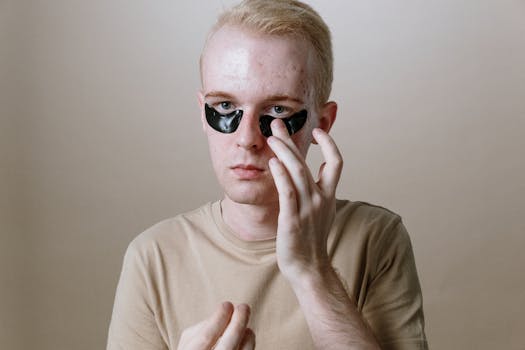
Nodular acne is among the more severe forms of acne, characterized by deep-seated, inflamed lesions that can be quite painful and difficult to treat. Understanding the nature of this skin condition and exploring dermatologist-recommended treatment options is crucial for those who suffer from it. From home remedies to professional interventions, there are various strategies that can be employed to manage and overcome nodular acne.
Those struggling with this challenging skin condition often find themselves searching for effective solutions. How to treat nodular acne, according to dermatologists, involves a multi-faceted approach that targets the underlying causes and promotes skin health. This article will delve into the various aspects of nodular acne treatment, as advised by skin care experts.

Table of Contents
- What is nodular acne and how is it treated?
- How to treat nodular acne at home?
- What are the symptoms and causes of nodular acne?
- How do dermatologists diagnose nodular acne?
- What treatment options are available for nodular acne?
- How to prevent nodular acne from reoccurring?
- Is nodular acne the same thing as cystic acne?
- Understanding the different facets of nodular acne management
What is nodular acne and how is it treated?
Nodular acne is a severe form of acne that results in large, hard bumps beneath the skin’s surface. These nodules can become quite painful and are notorious for their persistence, often lasting for weeks or even months. Unlike regular pimples, they don’t form a head and can be challenging to treat with over-the-counter products.
Prescription medications for nodular acne, such as isotretinoin and oral antibiotics, are commonly prescribed by dermatologists to combat this condition. Topical treatments with retinoids may also be recommended to help prevent scarring and reduce inflammation. In some cases, corticosteroid injections are used to help reduce the size and pain of nodular acne lesions more quickly.
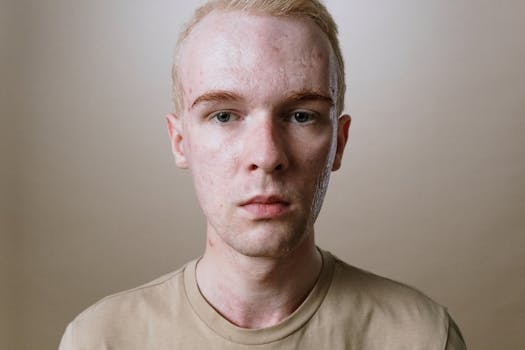
Understanding the treatment options available is essential for those seeking relief from this distressing and often persistent form of acne. A tailored approach, combining both systemic and topical therapies, is often the key to managing nodular acne effectively.
How to treat nodular acne at home?
While nodular acne typically requires professional care, there are steps you can take at home to support your skin’s health and complement medical treatments.
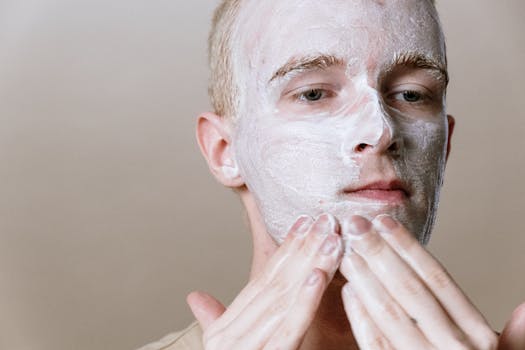
- Maintain a gentle skincare routine with products suitable for sensitive and acne-prone skin.
- Use non-comedogenic moisturizers to keep your skin hydrated without clogging pores.
- Avoid picking or squeezing the nodules to prevent further irritation and potential scarring.
- Consider natural anti-inflammatory remedies, such as tea tree oil or aloe vera, to soothe the skin.
- Home remedies for nodular acne treatment should always be used with caution and ideally in consultation with a dermatologist.
It is important to note that while some home strategies may help soothe the skin, they are unlikely to cure nodular acne on their own. Professional guidance is essential for effective management.
What are the symptoms and causes of nodular acne?
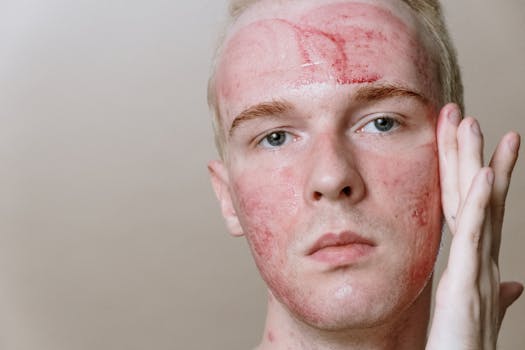
The symptoms of nodular acne are quite distinct. Sufferers will notice firm, swollen bumps that are often painful to the touch. These nodules can appear red and are embedded deep within the skin, sometimes leading to visible skin discoloration.
As for the causes of nodular acne, a combination of factors is typically at play. These can include hormonal fluctuations, excessive oil production, bacteria, such as C. acnes, and inflammation. Genetics may also play a role in one’s susceptibility to this form of acne.
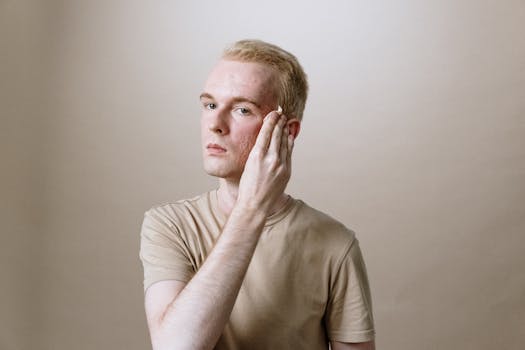
Stress, certain medications, and even diet can contribute to the development of nodular acne. Understanding these triggers is crucial for both treatment and prevention strategies.
How do dermatologists diagnose nodular acne?
Dermatologists diagnose nodular acne through a physical examination of the skin. They will look for the hallmark hard, red lumps that characterize the condition and may ask about the patient’s medical history, skincare habits, and lifestyle factors to determine the best course of treatment.
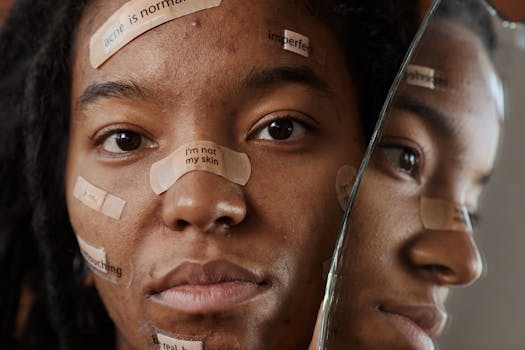
At times, additional tests may be necessary to rule out other skin conditions. A thorough and accurate diagnosis is essential for effective treatment and preventing long-term damage to the skin.
What treatment options are available for nodular acne?
The treatment options for nodular acne are varied and depend on the severity of the condition. Dermatologists often prescribe a combination of systemic and topical treatments to address the different aspects of the acne.
Systemic treatments may include oral antibiotics to reduce inflammation and bacteria, hormonal therapy for those who experience acne due to hormonal imbalances, and isotretinoin for severe cases. Topical options often feature retinoids, which help with cell turnover and prevent clogged pores, and benzoyl peroxide to kill bacteria and reduce inflammation.
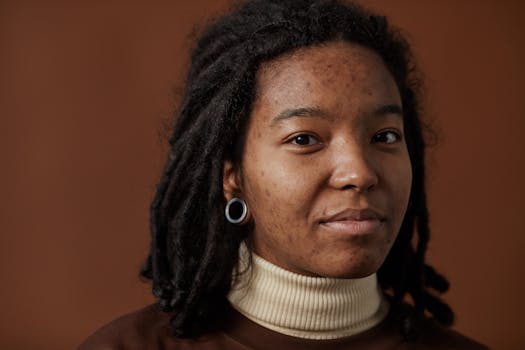
In some cases, dermatologists may also recommend chemical peels or laser therapy as part of the treatment regimen, particularly if there is a risk of scarring.
How to prevent nodular acne from reoccurring?
Preventing nodular acne from reoccurring involves a few key strategies:
- Maintaining a consistent skincare routine that’s appropriate for acne-prone skin.
- Avoiding known triggers, such as certain foods or stress, as much as possible.
- Using non-comedogenic makeup and skincare products to prevent pore blockages.
- Following a healthy diet and lifestyle to support overall skin health.
Regular check-ups with a dermatologist can also help keep nodular acne at bay, allowing for early intervention should symptoms reappear.
Is nodular acne the same thing as cystic acne?
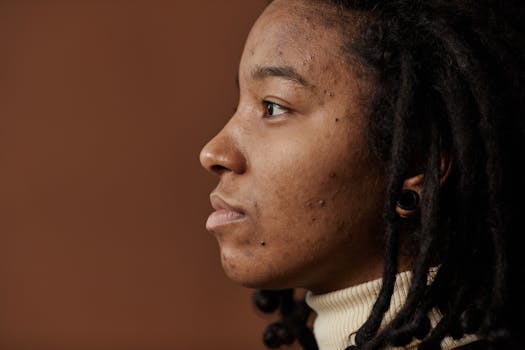
Nodular acne and cystic acne are often confused, but there are distinct differences. While both are severe forms of acne, cystic acne is characterized by pus-filled cysts that can burst and lead to significant scarring. Nodular acne, on the other hand, consists of solid, painful lumps beneath the skin that do not contain pus.
Understanding these differences is important for proper treatment, as the approach to managing each condition can vary.
Understanding the different facets of nodular acne management
How do dermatologists treat nodular acne?
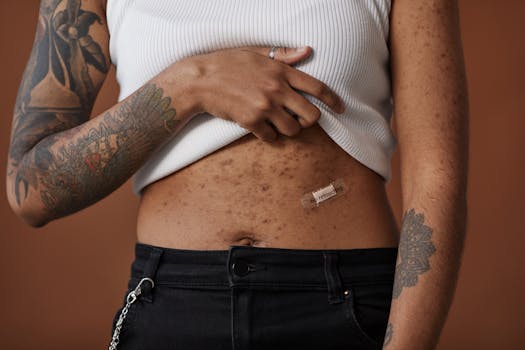
Dermatologists often employ a comprehensive treatment plan for nodular acne, which may include both oral and topical medications. Treatment typically starts with a thorough evaluation to tailor the approach to the individual’s skin condition.
Key medications used by dermatologists include isotretinoin for severe cases, oral antibiotics to fight infection and reduce inflammation, and hormonal therapies for those affected by hormonal triggers. Topical treatments may involve retinoids and benzoyl peroxide to help clear the skin and prevent future breakouts.
How do you get rid of nodular acne fast?
While nodular acne is notoriously difficult to treat quickly due to its severity, dermatologists may use corticosteroid injections to reduce inflammation and size of the nodules promptly. This treatment can provide relief within a few days, though it is typically used as a complement to longer-term strategies.
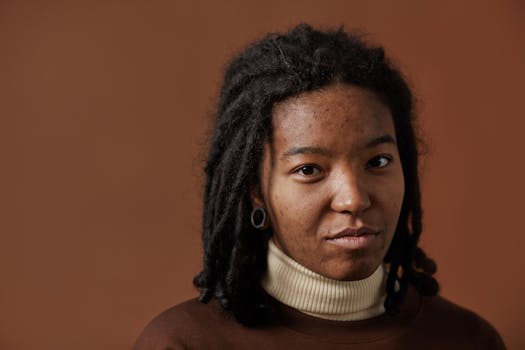
Consistent adherence to a prescribed treatment regimen is also essential for achieving faster results. Rapid treatment does not guarantee prevention of scarring, so professional guidance is critical.
How to treat nodular acne in pregnancy?
Treating nodular acne during pregnancy requires careful consideration due to the safety of the developing baby. Dermatologists will avoid prescribing medications that pose a risk to the fetus, such as isotretinoin or certain antibiotics.

Instead, they may recommend topical treatments that are safe during pregnancy, such as azelaic acid or erythromycin. It’s crucial for pregnant women to consult with their healthcare provider before starting any acne treatment.
What is the root cause of nodular acne?
While there is no single root cause of nodular acne, several factors contribute to its development. These include hormonal changes, genetic predisposition, bacteria, overproduction of sebum, and skin inflammation. Identifying and addressing these factors is essential for effective treatment and prevention.
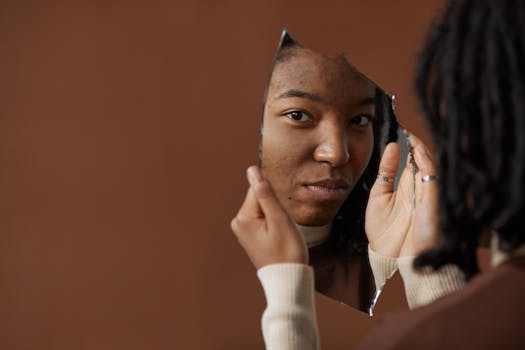
Understanding the complex nature of nodular acne and its potential triggers can help sufferers better manage their condition and find relief. Keeping in communication with a dermatologist for ongoing care and advice is also vital for those dealing with this challenging skin issue.