A Step-by-Step Guide to Creating Bantu Knots begins by understanding this style’s rich cultural heritage and its resurgence in modern fashion. Not only are Bantu knots a protective hairstyle that can promote hair growth and preserve your hair’s health, but they also result in beautiful, curly styles when unraveled.
The versatility of Bantu knots means they can be worn on all hair types, whether your hair is naturally curly, wavy, or straight. With the right products and techniques, anyone can achieve this stunning look. Let’s dive into how you can master the art of Bantu knots.

Table of Contents
- How to do Bantu knots
- How to Bantu knot out: Natural hair basics
- What are the steps to create Bantu knots?
- How to achieve beautiful curl-out styles from Bantu knots?
- What is the history behind Bantu knots?
- How to style Bantu knots for different occasions?
- What are Nubian knots and how do they differ from Bantu knots?
How to do Bantu knots
If you’ve been curious about how to achieve this style, look no further. Creating Bantu knots involves several steps, starting with sectioning your hair. After washing and conditioning, divide your hair into sections, which can vary in size depending on the desired look.
Next, apply a styling product to each section. This could be a curl cream, gel, or mousse, depending on your hair type and the hold you need. Then, twist each section of hair until it begins to curl up into a knot. Secure the knot at the scalp using a hair tie or bobby pins. Repeat this process across all sections of your hair.
For those with straight hair wondering if Bantu knots are achievable, the answer is yes. Straight hair might require stronger hold products and more meticulous securing to ensure the knots stay in place. But with patience and practice, creating Bantu knots on straight hair is entirely possible.
How to Bantu knot out: Natural hair basics
For natural hair enthusiasts looking to try a Bantu knot out, begin by ensuring your hair is well-moisturized. After you’ve worn your Bantu knots for a desired period (typically overnight or a couple of days), it’s time to carefully unravel each knot to reveal defined curls.
- Begin by applying a small amount of oil to your fingers to reduce frizz as you take down the knots.
- Gently untwist each knot, being careful not to disrupt the curl pattern.
- Once all the knots are undone, use your fingers or an afro pick to fluff up the roots and style as desired.
Remember that the key to a successful Bantu knot out is the initial moisture and the careful removal of each knot. If done correctly, you’ll be rewarded with a head full of beautiful, bouncy curls.
What are the steps to create Bantu knots?
The steps to create Bantu knots are straightforward, but attention to detail is essential. After preparing your hair with appropriate washing and conditioning, detangle your hair thoroughly. This prevents knots and ensures smooth, even twists.
Next, section the hair and apply your chosen styling product. Twist each section tightly from root to end, and then twist the hair around itself to form a knot. Secure it in place with a hair tie or pins. The number of knots you create will depend on the desired final appearance—more knots result in smaller, tighter curls, while fewer knots give larger, looser curls.
Allow your knots to set for several hours or overnight. The longer they set, the more defined the resulting curls will be. Protecting them with a silk or satin scarf overnight can help maintain moisture and prevent frizz.
How to achieve beautiful curl-out styles from Bantu knots?
Starting with well-moisturized hair is vital to achieving a stunning curl-out from Bantu knots. When you’re ready to unravel your knots, do so gently to maintain the curl’s integrity.

Once your hair is untwisted, you can separate the curls lightly with your fingers for added volume. However, be mindful not to overdo it, as this can lead to frizz. Use a light-hold hairspray or a bit of oil to tame any flyaways and give your hair a glossy finish.
Experiment with different partings and styles, such as half-up, half-down looks or accessorizing with headbands or clips, to add a personal touch to your curl-out.
What is the history behind Bantu knots?
Bantu knots originate from the Bantu-speaking tribes of Africa, where the hairstyle has been worn for centuries. “Bantu” is a term used to describe the 300 to 600 ethnic groups within southern and central Africa that speak Bantu languages.
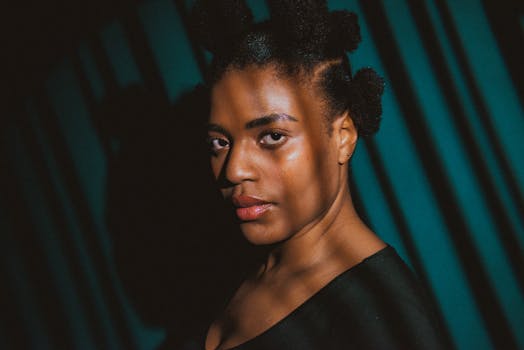
The style was traditionally worn by African women of various tribes for different reasons, including as a symbol of status, to protect hair from the elements, and to convey messages about one’s tribal background. Over time, Bantu knots have become a symbol of pride in one’s African heritage and are now widely embraced by people of various cultures for their beauty and practicality.
Embracing the cultural significance and beauty of Bantu knots is part of what makes the style so unique and meaningful. It’s crucial to approach this hairstyle with respect for its origins and the significance it holds for many people.
How to style Bantu knots for different occasions?
Bantu knots are not only versatile in terms of the hair textures they suit but also in the variety of ways they can be styled for different occasions. For a more casual look, you might opt for smaller knots spread evenly across the head. For formal events, consider creating larger, more pronounced knots or embellish your hairstyle with accessories like decorative pins or flowers.
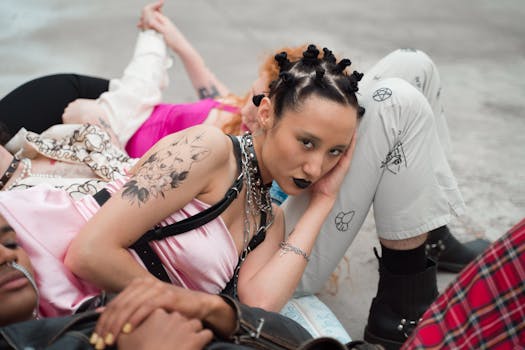
For an edgier look, play with the positioning of the knots. Try an asymmetrical pattern or pair your Bantu knots with shaved sides. The beauty of Bantu knots lies in their ability to be customized to match your personal style and the occasion at hand.
Whether you’re attending a wedding, heading to work, or just running errands, Bantu knots can be adapted to suit your needs and ensure you look stylish and put-together.
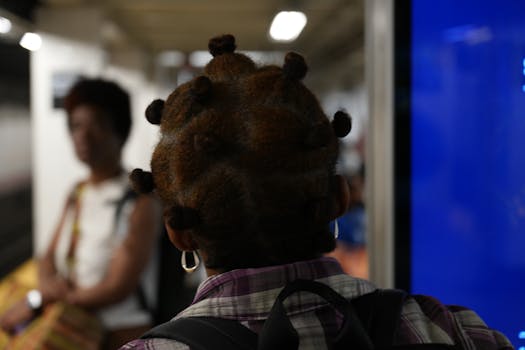
What are Nubian knots and how do they differ from Bantu knots?
Nubian knots, often confused with Bantu knots, refer to a similar-looking hairstyle that typically involves smaller, tighter coils and may incorporate extensions for added length and volume. While Bantu knots are created by twisting individual sections of your own hair, Nubian knots often use additional hair to achieve a more pronounced, extended style.
The terms are sometimes used interchangeably, but it’s important to recognize the subtle differences in technique and final appearance between the two styles. Both offer a protective and fashionable way to wear your hair, but Nubian knots bring an added dimension with their extra volume and potential for length.

As you explore the world of Bantu knots, remember to take care of your hair throughout the process. Proper hair preparation and maintenance are key to ensuring your knots last and your hair remains healthy. Use this guide as a starting point to create your own beautiful Bantu knot styles, and don’t be afraid to experiment to find what works best for you.