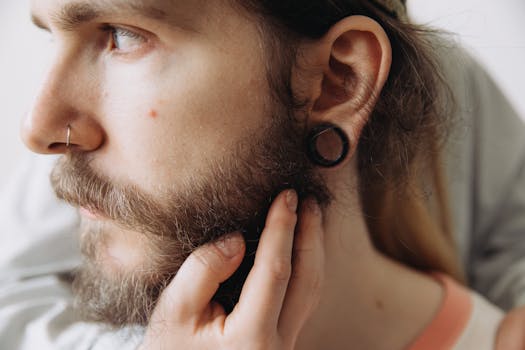
Exploring the world of ear piercings can be an exciting journey, revealing a tapestry of styles that cater to personal tastes and pain thresholds. As individuals seek to express themselves through body art, understanding the nuances of different piercings, including their placement and associated discomfort, becomes paramount. This article delves into the realm of ear piercings, offering insights into various types, from the classic lobe to the more adventurous industrial, each with its unique charm and considerations.
Table of Contents
- How many different types of ear piercings are there?
- What are the most popular ear piercing styles?
- What are the healing times for different ear piercings?
- What are the pain levels associated with ear piercings?
- What ear piercing combinations can you try?
- What should you know about aftercare for ear piercings?
- Related questions about ear piercing considerations
How many different types of ear piercings are there?
Ear piercings come in an array of options, each with distinct characteristics. A comprehensive list includes the traditional lobe piercing, the high-lobe, the helix, forward helix, industrial, daith, tragus, anti-tragus, snug, rook, conch, and several others. Each piercing can be customized with different jewelry styles, making the possibilities nearly endless.
For those looking to venture beyond single piercings, there’s the option of creating an intricate constellation on the ear using a combination of these piercings. This allows for a personalized look that can range from subtle elegance to a bold statement.

While the total number of ear piercing types can vary based on new trends and personal interpretations, there is a core group that remains perennially popular. Among these, 17 Types of Ear Piercings Based on Pain and Placement stand out for their distinctive appeal and the variety they offer to piercing enthusiasts.
What are the most popular ear piercing styles?
Popular ear piercing combinations often dictate the trends in body art fashion. The lobe piercing retains its status as the most universally accepted and performed type, often being the first piercing one receives. The helix piercing has also surged in popularity, offering a more edgy look as it decorates the outer cartilage of the ear.
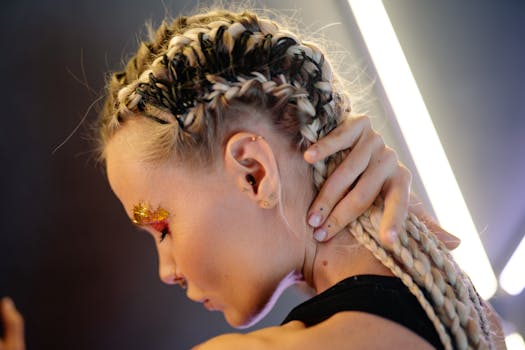
For those seeking a distinctive edge, the industrial piercing connects two points in the ear with a single barbell, creating a bold and industrial look. Meanwhile, the daith piercing, located at the inner cartilage fold of the ear, has gained attention for its aesthetic appeal and rumored migraine-relief benefits.
The tragus piercing, placed on the small cartilage flap near the ear canal, has become a sought-after choice for its subtle yet chic appearance. These are just a few examples of the 17 types of ear piercings by pain and placement that are currently trending.

What are the healing times for different ear piercings?
Understanding the guide to ear piercing healing times is crucial for anyone considering new ear piercings. The healing process varies depending on the placement and complexity of the piercing. Lobe piercings, for instance, typically heal within 6 to 8 weeks, whereas cartilage piercings like the helix or industrial may take anywhere from 3 to 6 months.
More intricate piercings such as the daith and conch can require up to a year to fully heal, emphasizing the need for patience and diligent aftercare. It’s important to remember that everyone’s body heals at a different pace, and factors such as personal hygiene, aftercare, and overall health can affect healing times.

It’s advisable to follow the piercer’s recommendations and maintain a consistent aftercare routine to ensure a smooth healing process. This may involve cleaning the piercing with saline solution and avoiding any unnecessary touching or movement of the jewelry.
What are the pain levels associated with ear piercings?
Discussing ear piercing pain levels explained can be subjective as pain tolerance varies from person to person. However, some general observations can be made. Lobe piercings are typically considered the least painful due to the softer tissue, while cartilage piercings like the helix or industrial are often reported to be more uncomfortable due to the denser tissue.

The daith and tragus piercings may cause a sharp pain initially, but this tends to be brief. An ear piercing pain chart can help individuals gauge what to expect from each piercing type and make informed decisions based on their pain threshold.
It’s also important to consider that the piercer’s technique and experience, along with the individual’s state of mind, can influence the pain experienced during the piercing process.

What ear piercing combinations can you try?
When it comes to ear piercing ideas for females or anyone interested in body art, the sky is the limit. Combining different types of piercings can create a unique and expressive look. Some individuals opt for a thematic approach, such as celestial bodies, combining stars and moons in various piercing styles.
Others may choose a gradient of studs or hoops ascending the ear for a gradient or ombre effect. The beauty of ear piercings is their versatility; you can mix and match different types across the ear, creating a pattern or design that reflects your personal style.

Popular ear piercing combinations include the “triple lobe,” where three studs or hoops sit in a vertical line on the lobe, or the “helix to lobe,” connecting a helix piercing to a lower lobe piercing with a chain.

What should you know about aftercare for ear piercings?
Aftercare tips for ear piercings are vital for preventing infections and ensuring a smooth healing process. The primary rule is to keep the piercing clean and free from bacteria. This usually involves gentle cleaning with a saline solution twice a day without removing the jewelry.
It’s also critical to avoid touching the piercing with dirty hands and to resist the urge to twist or turn the jewelry, as this can introduce bacteria and cause irritation. Sleeping on the piercing should be avoided until it’s fully healed to prevent pressure and possible deformation.

During the healing period, it’s best to steer clear of swimming pools, hot tubs, and other bodies of water that might harbor bacteria. In case of any signs of infection or unusual discomfort, contacting a healthcare professional is recommended.
Related questions about ear piercing considerations
What is the most painful ear piercing placement?
The pain experienced during an ear piercing can depend on the specific location and individual pain tolerance. Generally, areas with thicker cartilage, such as the industrial or conch piercings, are associated with higher levels of pain compared to softer areas like the lobe.

It’s important to consider your personal comfort levels and discuss any concerns with a professional piercer before deciding on a specific placement.
What is the 2 3 rule for piercings?
The 2 3 rule is a guideline for spacing out piercings to allow time for healing. It suggests that you should have no more than two healing piercings at a time, and you should wait at least three months before adding another piercing to your collection. This allows the body to adequately heal and reduces the risk of complications.

Following this rule is an important aspect of responsible body modification and ensures that each piercing gets the attention and care it needs during the healing process.
What are the top 10 most painful piercings?
While the pain level of piercings can vary, some of the most painful ones reported by many include the daith, rook, conch, industrial, snug, tragus, and certain types of helix piercings. Pain perception is subjective, so experiences may differ from person to person.

It’s wise to research and consult with a professional piercer to understand the pain levels associated with different piercings.
Which is the prettiest ear piercing?
Beauty is in the eye of the beholder, and the prettiest ear piercing is ultimately a matter of personal taste. Some find delicate helix piercings with dainty jewelry to be the most attractive, while others prefer the statement look of an industrial bar.
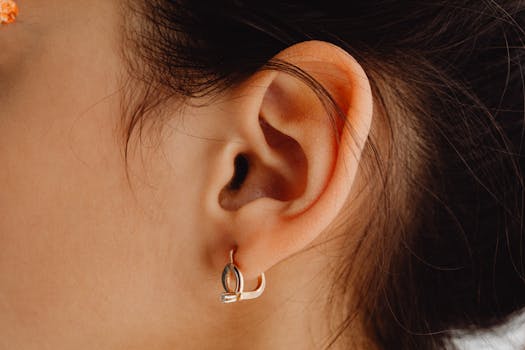
The choice of jewelry also plays a significant role in the aesthetic of the piercing, making it a highly customizable form of self-expression.
Now that you’re armed with knowledge about the 17 types of ear piercings based on pain and placement, healing times, pain levels, popular combinations, and aftercare, you can make an informed decision about which piercings will best express your individuality and style.