
Finger tattoos are a trend that’s hard to ignore—striking, distinctive, and bold, they make a statement. However, as with any tattoo, it’s important to understand what you’re getting into, from the pain level to the potential for fading, and how to care for your new art.
Whether you’re considering your first piece of ink or adding to a growing collection, this comprehensive guide will navigate you through the nuances of getting a finger tattoo, ensuring your experience is as smooth as possible. Let’s dive into the details, from sensation to aftercare and beyond.

Table of Contents
- Does finger tattoo hurt? Understanding pain, experience & care
- How painful are finger tattoos compared to other areas?
- What sensations can you expect during a finger tattoo session?
- Key factors that influence finger tattoo pain levels
- How to manage pain during your finger tattoo experience
- What are the best aftercare practices for finger tattoos?
- Is a finger tattoo a good choice for your first tattoo?
- What should you know about touch-ups and longevity of finger tattoos?
- Related questions about finger tattoos
Does finger tattoo hurt? Understanding pain, experience & care
Getting a tattoo on your finger does involve some discomfort. The thin skin and high concentration of nerve endings in the fingers mean that tattoos in this area can be more painful compared to fleshier parts of the body. But don’t let that discourage you—the pain is often described as a consistent pinch or buzz, and many find it quite bearable.
The experience also largely depends on the individual’s pain tolerance and the complexity of the tattoo design. For those with a higher threshold for pain, a finger tattoo might simply feel uncomfortable, while for others it might be a more intense experience.

It’s paramount to select a tattoo artist experienced with finger tattoos. This not only ensures a smoother experience but also helps in managing pain levels. Additionally, different parts of the finger might experience varying levels of discomfort—areas closer to the bone tend to be more sensitive.
How painful are finger tattoos compared to other areas?
On a scale from 1 to 10, finger tattoo pain is often rated between 7 and 9. This is notably higher than more fleshy areas like the thigh or forearm, which usually rank lower. The fingers lack cushioning, and the proximity to bone and joints intensifies the sensation.

However, this doesn’t mean the pain is unmanageable. In fact, the small surface area of fingers often means shorter tattoo sessions, limiting the duration of pain. Also, many people have found that the pain is a worthwhile trade-off for the aesthetic appeal of a finger tattoo.
Interestingly, the sides of the fingers are said to be slightly less painful than the inside or the knuckle area. This is because the skin on the sides isn’t as close to the bone and contains fewer nerve endings.
What sensations can you expect during a finger tattoo session?
During a finger tattoo session, you can expect a range of sensations. Initially, there might be a sharp scratch as the needle penetrates the epidermis. As the session progresses, the area may feel warm and tingly due to the increased blood flow responding to the skin’s trauma.
Some describe the feeling as being similar to a prolonged cat scratch or having a piece of hot wire dragged across the skin. It’s not uncommon for the finger to swell or even feel slightly numb towards the end of the session.
It’s important to note that the sensation can vary significantly based on the exact spot being tattooed, the tattoo’s size and complexity, and the individual’s pain tolerance.
Key factors that influence finger tattoo pain levels
Several factors can influence the pain levels of finger tattoos. First and foremost, the skill and technique of the tattoo artist play a pivotal role. A gentle and experienced hand can significantly reduce discomfort.

The length of the session is another important factor. Larger, more intricate designs will take longer and thus extend the time you’re experiencing pain. Conversely, a small, simple tattoo may be over quickly enough that the pain doesn’t have a chance to become too bothersome.
Additionally, your personal health and stress levels can affect how much the tattoo will hurt. Being well-rested, hydrated, and calm can help mitigate pain.
How to manage pain during your finger tattoo experience
- Consider using a numbing cream prior to your session, but only after consulting with your tattoo artist.
- Practicing deep breathing can help keep your body relaxed and reduce the perception of pain.
- Staying hydrated and having a good meal before your appointment ensures your body is in optimal condition to handle the stress of being tattooed.
- Bring a distraction like music or a friend to talk to. This can take your mind off the sensation.
- Communicate with your artist if you need a break. Short pauses can help manage your pain threshold.
What are the best aftercare practices for finger tattoos?
Aftercare is crucial in ensuring your finger tattoo heals properly and maintains its vibrancy. Immediately following your appointment, your artist will likely bandage the area and provide specific instructions on when to remove the covering.
Keep the tattoo clean by gently washing it with fragrance-free soap and patting it dry. You’ll want to avoid submerging your hand in water, so be mindful during baths or dishwashing.

Moisturizing is key, but be sure to use a thin layer of fragrance-free lotion to prevent over-saturation. Excessive moisture can lead to ink loss and poor healing.
Avoid picking or scratching at scabs to prevent infection or damage to the design. And, importantly, keep your tattoo out of the sun, as UV rays can cause rapid fading.
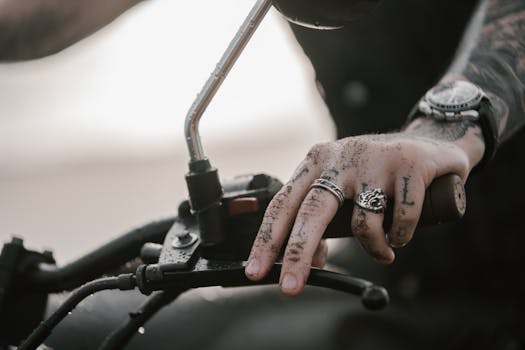
Remember, healing times can vary, so follow your tattoo artist’s advice and trust the process.
Is a finger tattoo a good choice for your first tattoo?
If you’re considering a finger tattoo as your first ink, it’s essential to weigh the pros and cons. While finger tattoos are stylish and have a unique appeal, they are also more prone to fading and may require touch-ups over time.

Additionally, the pain level might be more intense than other areas, which could be a challenging introduction to tattoos for some. However, if you’re set on the design and prepared for the maintenance, a finger tattoo can be a rewarding choice.
It’s crucial to understand the commitment that comes with a finger tattoo—both in terms of pain tolerance during the session and the care needed to maintain its appearance. Consult with experienced tattoo artists who can offer personalized advice for your situation.
What should you know about touch-ups and longevity of finger tattoos?
Finger tattoos can fade more quickly than ink in other areas due to constant exposure and the natural regeneration of hand skin. Touch-ups may be necessary to keep your design looking sharp and vibrant.
Factors like sun exposure, the type of ink used, and the intricacy of the design can all affect the longevity of your tattoo. It’s important to have realistic expectations and understand that your finger tattoo might evolve over time.
Choosing a simple and bold design can help with longevity, as finer lines and details are more likely to blur or fade. Regular aftercare, including the use of sunscreen and moisturizer, will also aid in maintaining your tattoo.
Related questions about finger tattoos
Why does my finger tattoo keep fading?
Finger tattoos are exposed to more wear and tear than tattoos in other locations. This constant exposure to elements such as water, soap, and sunlight contributes to faster fading.
Additionally, the natural exfoliation of your skin’s epidermis in this high-traffic area means you’re more likely to experience ink loss. Following stringent aftercare practices can help mitigate this issue, but touch-ups might still be necessary.
What is the pain level of finger tattoos?
Finger tattoos typically fall between a 7 and 9 on the pain scale. The experience can be intense due to the thin skin and proximity to bone and nerve endings. However, pain is subjective, and many find it manageable, especially for small and simple designs.

Be sure to discuss pain management techniques with your artist before beginning the session to ensure the most comfortable experience possible.
What are the stages of a finger tattoo healing?
The healing process generally follows several stages. Initially, you’ll notice redness, swelling, and a slight weeping of fluid. After a few days, the tattoo will start to itch and flake as scabs form.

Resist the urge to itch or pick at the scabs, as this can lead to scarring or loss of ink. Within a few weeks, the surface symptoms should subside, but the deeper layers of skin may still be repairing. A finger tattoo can take up to a month to heal completely.
Why do finger tattoos hurt more?
The anatomy of the fingers, with their thin skin and high density of nerve endings, makes them more sensitive to the tattoo needle. The fingers’ proximity to bone also means there’s less cushioning between the skin and the needle, resulting in a sharper pain sensation.

Understanding this can help you prepare mentally and physically for your finger tattoo session, ensuring you approach the experience with the right expectations and pain management strategies.
This post is super informative and really breaks down what to expect from a finger tattoo. I’ve been considering getting one for a while, and it’s great to know more about the pain levels and aftercare involved. It’s reassuring that the pain is bearable for most and that there are ways to manage it. The tips on aftercare are also really helpful, especially about keeping the tattoo out of the sun. Thanks for sharing such a detailed guide!