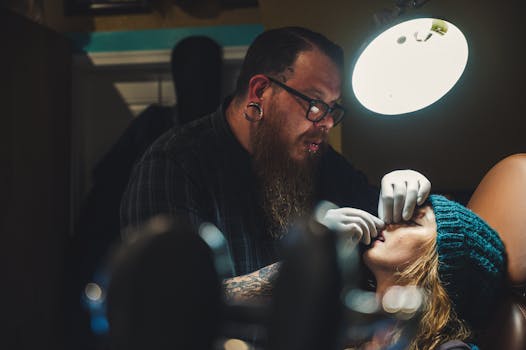
The allure of the Ashley piercing continues to capture the attention of body modification enthusiasts. Known for its distinctive placement through the center of the lower lip, this piercing offers a blend of elegance and edge. But with this unique style comes questions regarding the Ashley Piercing: Pain, Healing Time, and More.
Before taking the plunge into the world of Ashley piercings, it’s essential to arm yourself with knowledge. This includes understanding the pain level, the healing stages, and how to properly care for your new piercing. Let’s explore these aspects in more depth.
Table of Contents
- What is an Ashley piercing?
- How much does an Ashley piercing hurt?
- How long does it take an Ashley piercing to heal fully?
- What jewelry options are available for an Ashley piercing?
- How to care for your Ashley piercing?
- Can you get an Ashley piercing if you have small lips?
- What are the pros and cons of an Ashley piercing?
- Related questions about the Ashley piercing experience
What is an Ashley piercing?
An Ashley piercing, also known as an inverse vertical labret, is a lip piercing that penetrates through the lower lip and exits inside the mouth. Unlike traditional labret piercings, the Ashley piercing has only one visible end, giving it a unique and subtle appearance. The placement is crucial, and professional piercers are needed to ensure proper execution and minimize risks.
Due to its location, the Ashley piercing can affect your daily habits, including eating and speaking, at least during the initial healing stages. It’s a commitment that goes beyond mere aesthetics, requiring diligent aftercare to maintain oral health.

The Ashley piercing is considered a fashion statement by many, offering a way to express individuality. However, it’s not suitable for everyone, as anatomy plays a significant role in determining its feasibility.
How much does an Ashley piercing hurt?
Pain is subjective, and the Ashley Piercing pain and healing time can vary from person to person. Generally, the Ashley piercing is reported to be more painful than other lip piercings due to the thick tissue involved. On a pain scale, it might rank higher than earlobe piercings but lower than cartilage piercings.
Factors such as individual pain tolerance and the piercer’s technique will also impact the overall experience. Some may describe the sensation as a sharp pinch followed by soreness, while others might find it more intense.
It’s vital to choose a reputable and experienced piercer who can not only minimize pain but also explain the procedure and aftercare thoroughly. This ensures you know what to expect and how to handle the discomfort.

How long does it take an Ashley piercing to heal fully?
The healing time for an Ashley piercing typically ranges from 2 to 4 months. However, this varies based on individual health, aftercare practices, and lifestyle choices. During this period, it’s essential to follow Ashley piercing aftercare tips to promote healing and prevent complications.

Signs of healing include reduced swelling, absence of pain, and the ability to move the jewelry without discomfort. Although the outer appearance might seem healed, the internal tissue requires more time to recover fully.
Adhering to proper aftercare routines, avoiding unnecessary manipulation, and maintaining oral hygiene are key to successful healing. It’s highly recommended to have follow-up visits with your piercer to monitor the healing process.
What jewelry options are available for an Ashley piercing?
When it comes to jewelry options for Ashley piercings, there are several choices available. Initially, a labret stud is often used due to its flat back, which is less likely to irritate the gums or teeth.
- Stainless steel and titanium are popular materials for initial jewelry, as they are hypoallergenic and reduce the risk of infection.
- Once healed, options expand to include different lengths, ball sizes, and decorative tops.
- Those seeking a touch of luxury can opt for gold or adorned pieces with precious stones.
It’s crucial to select the correct size to accommodate swelling during the healing process and to reduce the risk of embedding or migration.

How to care for your Ashley piercing?
- Maintain strict oral hygiene by using a non-alcoholic mouthwash after meals and before bed.
- Regularly clean the external part of the piercing with saline solution to prevent crusting and buildup.
- Avoid spicy foods, alcohol, and smoking to reduce irritation and promote healing.
- Refrain from playing with the jewelry to avoid damage to the surrounding tissue and teeth.
- Attend scheduled check-ups with your piercer to ensure healthy healing and address any concerns.
Can you get an Ashley piercing if you have small lips?
While an Ashley piercing is adaptable to various lip shapes and sizes, small lips may present some challenges. It’s imperative to consult with a professional piercer to assess your individual anatomy. They can determine if your lip size can accommodate the piercing while allowing for proper healing and jewelry placement.
Modifications and alternative placements might be recommended for those with smaller lips. A skilled piercer can offer custom solutions to achieve a similar aesthetic without compromising the health and integrity of the lip.

Remember, each individual’s anatomy is unique, and what works for one person may not be suitable for another. Communication with your piercer is key to a successful outcome.
What are the pros and cons of an Ashley piercing?
The Ashley piercing boasts a unique appeal and can be a statement of personal style, but it’s not without its drawbacks.
Pros:
- Distinctive look: Offers a subtle yet edgy appearance.
- Versatility in jewelry: After healing, a wide range of jewelry options become available.
- Self-expression: It can be a form of self-expression and individuality.
Cons:
- Risk of infection: Being an oral piercing, it carries a higher risk of infection if not cared for properly.
- Impact on daily life: It may interfere with eating, speaking, and oral care routines during the healing period.
- Gum and tooth damage: Incorrect jewelry or poor placements can lead to oral complications.
It’s important to weigh these factors carefully and discuss them with a professional before deciding to get an Ashley piercing.

Related questions about the Ashley piercing experience
How long does an Ashley piercing hurt?
Following the procedure, the area may remain sore for a few days to a week. Pain management includes cold compresses, avoiding unnecessary movement of the jewelry, and over-the-counter pain relievers if recommended by a healthcare provider.
Each person’s experience will differ, so it’s essential to pay close attention to your body’s signals. Persistent or extreme pain could indicate complications and should be addressed by a professional.

What are the top 5 most painful piercings?
While the Ashley piercing is known for its discomfort, other piercings often rank higher on the pain scale. These typically include:
1. Genital Piercings: Because of the sensitive tissue involved, these can be quite painful.

2. Nipple Piercings: Another sensitive area that can result in significant pain during the piercing process.
3. Dermal Anchors: As these involve creating a pocket in the skin, they can be quite uncomfortable.
4. Industrial Piercings: The fact that this piercing goes through two parts of the ear cartilage at once can make it more painful than others.

5. Septum Piercings: Although not the most painful for everyone, the sensitive nature of the nasal area can make it a contender.
How long before I can change my Ashley piercing?
It’s best to wait until the piercing is fully healed, which can take 2 to 4 months, before changing the jewelry. Doing so prematurely can irritate the piercing, prolong the healing process, or lead to infection.

When it’s time to change the jewelry, it’s recommended to have it done by a professional to avoid damage and ensure the correct fit.
How to tell if your Ashley piercing is infected?
Signs of infection include excessive redness, swelling, pain, discharge of yellow or green pus, and a bad odor. Fever and chills are indicators of a more serious infection.

If you suspect an infection, seek advice from a healthcare professional or your piercer for appropriate treatment. Do not remove the jewelry unless advised, as it can cause the infection to become trapped.