
If you’re intrigued by the edgy and distinctive look of facial piercings, a bridge piercing might be an eye-catching option to consider. Situated on the upper bridge of the nose, this type of piercing can add an avant-garde touch to your style. But before you dive in, it’s essential to understand the ins and outs of bridge piercings, including the cost, aftercare, and more.
Whether you’re a piercing veteran or a newcomer to the world of body modification, this article offers a comprehensive look at what you need to know about bridge piercings. From the initial procedure to the healing process and beyond, let’s explore the captivating world of bridge piercings.

Table of Contents
- What is a bridge piercing?
- How much does a bridge piercing cost?
- Does a bridge piercing hurt?
- What is the healing process for bridge piercings?
- What are the best jewelry options for bridge piercings?
- Common risks and considerations for bridge piercings
- Tips for proper aftercare of bridge piercings
- Exploring further: Bridge piercings and their intricacies
What is a bridge piercing?
Commonly referred to as an Erl or midbrow piercing, a bridge piercing is a type of surface piercing that sits horizontally across the bridge of the nose. Unlike other piercings that pass through cartilage, the bridge piercing only goes through the skin, which often results in a less painful experience. Since it’s highly visible and located between the eyes, it’s crucial to seek a skilled piercer for precise placement.
Not everyone’s anatomy is suited for a bridge piercing, so a professional consultation is vital. The piercer will assess if your nose bridge can accommodate the piercing without risk of migration or rejection. The history of bridge piercings is rich, with roots in ancient cultures, and today they continue to be a statement of personal style and individuality.

As with any piercing, there’s a risk of infection or complications if not cared for properly. Therefore, understanding the detailed aftercare instructions is a must for anyone considering this piercing.
How much does a bridge piercing cost?
The cost of a bridge piercing can vary depending on geographic location, the piercer’s experience, and the jewelry you select. Generally, you can expect to pay between $50 to $100. Quality and safety should never be compromised for a lower price, so it’s recommended to choose a reputable studio, even if it means investing a bit more.
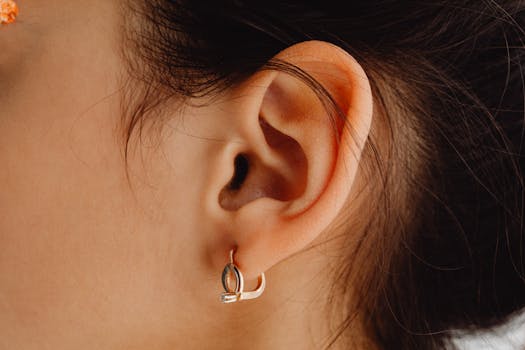
Higher costs may also cover the use of superior jewelry materials and a more thorough aftercare package. Remember, a bridge piercing is both an aesthetic choice and a health consideration; investing in both can lead to better healing and satisfaction with your new piercing.
When budgeting for your piercing, also consider the long-term cost of aftercare products and potential jewelry changes. It’s wise to discuss all these aspects with your piercer beforehand to avoid any unexpected expenses.

Does a bridge piercing hurt?
Bridge piercing pain is subjective and can vary from person to person. While some individuals report mild discomfort, others may find it more painful. It’s typically described as a moderate level of pain, less intense than cartilage piercings. The sensation is often compared to a strong pinch and lasts only a moment.
After the piercing, it’s normal to experience some swelling and tenderness around the area for a few days. Your piercer will provide guidance on pain management, which may include over-the-counter pain relievers and cold compresses to reduce swelling.

Being mentally prepared for the procedure and knowing what to expect can also help alleviate anxiety and potentially lessen the perceived pain. Trusting your piercer and relaxing as much as possible during the process are key factors in a less painful experience.
What is the healing process for bridge piercings?
The healing process for a bridge piercing typically takes 8 to 12 weeks, but it can vary based on individual healing rates and aftercare practices. Consistent aftercare is crucial for optimal healing and preventing complications.

During the first few weeks, you’ll notice redness, swelling, and some secretions—these are normal parts of the healing process. It’s essential to follow your piercer’s aftercare instructions meticulously, which will likely include regular saline cleanings and avoiding unnecessary pressure or contact with the piercing.
Avoid changing or removing the jewelry before the piercing is fully healed, as this can introduce bacteria and cause irritation. If you notice any signs of infection, such as excessive pain, redness, or discolored discharge, seek advice from your piercer or a healthcare professional immediately.

What are the best jewelry options for bridge piercings?
Jewelry for bridge piercings comes in various styles, but the most common types are straight barbells and curved barbells. Choosing the right jewelry is a matter of both personal preference and what suits your anatomy best. High-quality materials such as surgical stainless steel, titanium, and gold are recommended to reduce the risk of allergic reactions or infection.
Size and fit are paramount when selecting jewelry for a new piercing. The initial jewelry will be slightly longer to accommodate swelling, but once healed, a shorter bar may be more comfortable and aesthetically pleasing. Consult with your piercer to find the best option for your unique bridge and ensure a proper fit for healing.

Changing the jewelry should only be done after the piercing has fully healed or by a professional if necessary during the healing process. You’ll want to choose a design that complements your style and maintains the health of your piercing.
Common risks and considerations for bridge piercings
- Rejection and migration are potential risks, as the body may treat the jewelry as a foreign object and push it towards the surface.
- Scarring can occur, especially if the piercing is not cared for properly or if it migrates and needs to be removed.
- Infection is a risk with any piercing, particularly if aftercare instructions are not followed or if the piercing is touched with unclean hands.
- As a surface piercing, bridge piercings have a higher likelihood of being caught on clothing or towels, so caution is necessary during daily activities.
- Vision obstruction or discomfort might be experienced if the jewelry is too large or improperly placed.
It’s vital to weigh these risks and discuss them with a professional piercer before proceeding with the piercing. Being informed can help you make a decision that aligns with your comfort level and lifestyle.

Tips for proper aftercare of bridge piercings
Aftercare is crucial to the healing of your bridge piercing. Your piercer will provide specific instructions, but general tips include:
- Clean the piercing with a saline solution twice a day to prevent infection and promote healing.
- Avoid touching the piercing with dirty hands, and never twist or turn the jewelry while it heals.
- Keep the area dry and clean, avoiding submersion in bodies of water like pools or hot tubs during the initial healing period.
- Be mindful of your clothing and sleeping positions to avoid putting pressure on the piercing.
- Monitor the piercing for signs of infection or unusual irritation and reach out to your piercer if you have any concerns.
Following these aftercare tips diligently can lead to a smoother healing process and a healthier piercing in the long run.

Exploring further: Bridge piercings and their intricacies
What’s the best aftercare for a bridge piercing?
The best aftercare for a bridge piercing includes regular cleaning with a sterile saline solution and ensuring that you handle the piercing as little as possible. Avoiding makeup, lotions, and other cosmetic products near the piercing site is also crucial to prevent contamination and irritation.
It’s important to maintain overall good hygiene and to be attentive to any changes in the piercing that might indicate an issue. If you encounter any complications or questions, seeking advice from your piercer is the best course of action.

How much should a bridge piercing cost?
A bridge piercing should cost anywhere from $50 to $100, depending on several factors such as the studio’s location, the piercer’s expertise, and the jewelry selected. While you may find cheaper options, remember that the piercing’s safety and quality should always be a priority. Don’t skimp on cost if it means compromising on the experience and materials used.
What is the 3/2 piercing rule?
The 3/2 piercing rule is not a commonly known guideline in the piercing community. If you come across any specific rules or recommendations, it’s always best to consult with a professional piercer who can give you the most accurate and updated information based on industry standards and personal experience.

Are bridge piercings high maintenance?
Bridge piercings can be considered moderate maintenance, especially during the healing phase. Aftercare requires consistent cleaning and attention to prevent issues, but once the piercing is healed, it generally requires less daily care. Choosing appropriate jewelry and being cautious with your activities will help maintain your piercing with relative ease.
In conclusion, bridge piercings offer a unique way to express your personal style, but they come with responsibilities. From the initial decision-making process to the aftercare and beyond, being well-informed and prepared will ensure your piercing experience is as positive as possible. Embrace the journey and enjoy the distinctive look that bridge piercings can offer.