Table of Contents
- Swimming after getting a tattoo: what you need to know
- How long after a tattoo can you swim?
- What are the risks of swimming with a fresh tattoo?
- How to plan ahead before swimming after a tattoo?
- How long should you wait before swimming?
- Can you swim after getting a tattoo with second skin?
- What to do if you accidentally swam with a tattoo?
- Related questions about swimming after a new tattoo
Swimming after getting a tattoo: what you need to know
When can you swim again after a new tattoo? We asked experts, and the consensus is clear: giving your new ink ample time to heal is crucial. Submerging a fresh tattoo in water too soon can significantly affect its appearance and health. In this article, we’ll dive into the dos and don’ts of swimming post-tattoo, informed by professional advice and tattoo aftercare best practices.
Here’s what you need to know about protecting your new artwork as it heals. We’ll explore the risks associated with early swimming, tips for timing your return to the water, and steps to take if you accidentally take the plunge too soon.

How long after a tattoo can you swim?
According to tattoo aftercare guidelines, it’s recommended to wait at least two to four weeks before swimming. This period allows the initial healing phases to occur, reducing the risk of infection and ensuring the integrity of your tattoo’s design.
Water exposure risks during the healing process can lead to bacterial infections and the potential fading of ink quality. To ensure your skin health remains uncompromised, it’s important to adhere to suggested wait times before taking a dip.
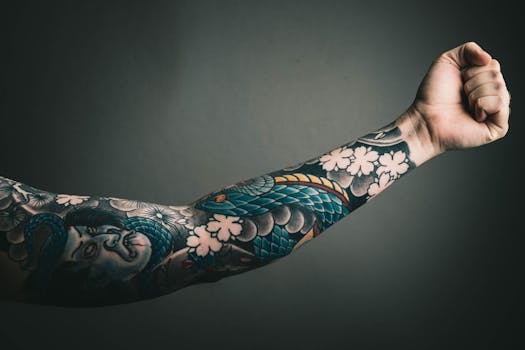
Proper aftercare for tattoos before swimming involves using specialized tattoo products like balms and aftercare soaps designed to support the tattoo healing stages. These resources promote a safe and effective healing journey for your new ink.
What are the risks of swimming with a fresh tattoo?
When it comes to swimming with a new tattoo, the stakes are high. Fresh tattoos are essentially open wounds, making them vulnerable to bacteria found in pools, oceans, and lakes. Infection prevention is a top priority, as pathogens can lead to complications requiring medical attention.
Chlorine and salt water can also irritate and dry out the skin, hindering the tattoo’s healing process. Additionally, prolonged water exposure can cause ink to disperse incorrectly, resulting in a blurred or faded appearance.
- Increased risk of bacterial infection
- Exposure to harsh chemicals like chlorine
- Potential fading or blurring of tattoo design
- Delayed healing due to skin irritation and moisture
How to plan ahead before swimming after a tattoo?
Planning ahead before you resume swimming activities is paramount. Start by consulting your tattoo artist for tailored advice based on your tattoo’s size, location, and the ink quality used.
Additionally, invest in high-quality tattoo care resources, including tattoo aftercare products that nourish the skin and create a protective barrier. These steps will safeguard your tattoo during the healing process and prepare your skin for future exposure to water.
Mark your calendar for the safe swimming window, typically a few weeks post-tattoo, to avoid any temptation of getting back into the water prematurely.
How long should you wait before swimming?
While the general recommendation is to wait two to four weeks before swimming, this timeline can vary. Signs your tattoo is healed enough for swimming include the absence of scabs, flaking, redness, and soreness.
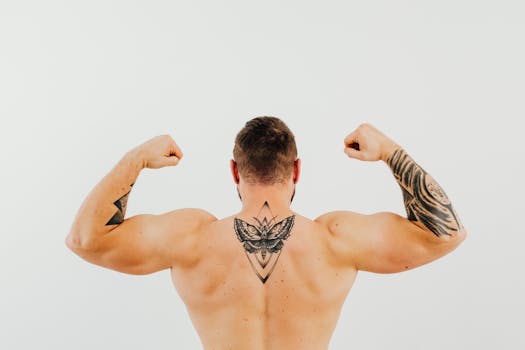
It’s essential to observe your tattoo’s healing progress and not rush into water activities. If you’re uncertain, err on the side of caution and give your tattoo additional time to heal. Always prioritize your skin health and the longevity of your tattoo’s appearance.
Heeding the advice of professionals and your own body’s signals will ensure that when you do return to swimming, your tattoo will be in its best condition.

Can you swim after getting a tattoo with second skin?
Second skin products offer a protective layer over your new tattoo, but they are not a green light to swim immediately. While these products can help shield the tattoo from contaminants, they are not entirely waterproof. Thus, it’s best to adhere to the recommended waiting period before submerging your tattoo in water.
Even with a second skin, the tattoo requires time for the deeper layers of skin to heal. Swimming too soon, even with protective barriers, can still compromise the healing process and the overall outcome of your tattoo.
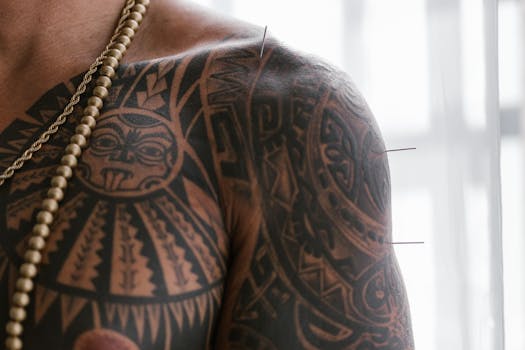
For those who use second skin products, follow the specific guidance provided by the product manufacturer and your tattoo artist to ensure the best results.
What to do if you accidentally swam with a tattoo?
If you find yourself in a situation where you’ve unintentionally swam with a new tattoo, swift action is essential. As soon as you exit the water, clean the tattooed area with lukewarm water and fragrance-free soap to remove any potential contaminants.

After gently patting the area dry, apply an aftercare product recommended by your tattoo artist. Keep an eye on the tattoo for any signs of irritation or infection, and seek professional advice if any issues arise.
Remember, accidents happen, but by following these steps, you can mitigate risks and protect the integrity of your tattoo.
Related questions about swimming after a new tattoo
How long before I can swim with a new tattoo?
The safest bet is to wait a minimum of two weeks, but ideally up to four, depending on how your tattoo is healing. During this time, your skin is working diligently to heal the inked area. Rushing into swimming can compromise this vital process.

Patience is key, and allowing your tattoo the time it needs to fully heal will pay off in the long run with a vibrant, well-preserved design.
How many days before swimming with a new tattoo?
Most experts recommend a waiting period of 14 to 28 days before you consider swimming. This timeframe allows the superficial and deeper layers of skin to repair themselves after the tattooing process.
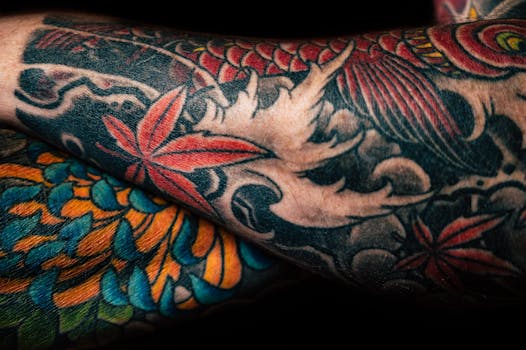
It’s important to monitor the healing and only venture into the water when all signs of healing are evident, with no exceptions.
Will chlorine mess up a fresh tattoo?
Chlorine can be harsh on a fresh tattoo, potentially causing irritation, drying out the skin, and disrupting the intricate healing stages. This chemical can lead to fading and blurring of your new ink, so it’s best to stay clear of chlorinated pools during the initial healing phase.
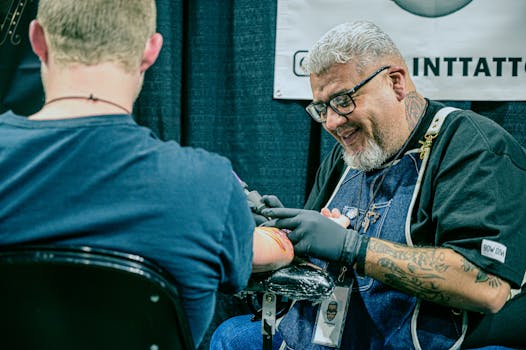
Waiting until your tattoo has completely healed before swimming in chlorine-treated water is essential for maintaining its quality.
What if I accidentally swam with a tattoo?
If you’ve accidentally swum with a new tattoo, focus on immediate care. Gently cleanse the area with suitable tattoo aftercare soap and apply a thin layer of healing ointment. Monitor the tattoo closely for any adverse reactions, and consult your tattoo artist or a medical professional if needed.
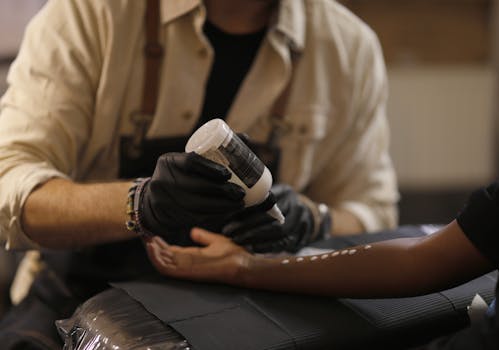
Addressing the situation promptly can help minimize any negative impact on your tattoo’s healing process.
In conclusion, waiting to swim after getting a new tattoo is a critical aspect of aftercare. By following expert advice and paying close attention to the healing process, you can enjoy your new artwork for years to come, both in and out of the water.