When it comes to enhancing your skincare routine, you might be wondering, “Should You Add Bio-Oil to Your Skincare Routine? Derms…” suggest various benefits that could transform your approach to skincare. With its versatile properties, Bio-Oil has been a topic of discussion among those seeking to improve the appearance of scars, hyperpigmentation, and overall skin texture.
Before integrating a new product into your regimen, it’s essential to understand its potential impact. As such, this article delves into expert insights and recommendations on using Bio-Oil on your face, its benefits, and considerations for specific skin types.
Table of Contents
- Is Bio-Oil good for your face?
- How to use Bio-Oil for optimal results
- What are the benefits of using Bio-Oil on your face?
- Can you leave Bio-Oil on your face overnight?
- How to incorporate Bio-Oil into your skincare routine
- What are the side effects of using Bio-Oil on your face?
- When should you see a dermatologist regarding Bio-Oil?
- Related questions about incorporating Bio-Oil in skincare routines
Is Bio-Oil good for your face?
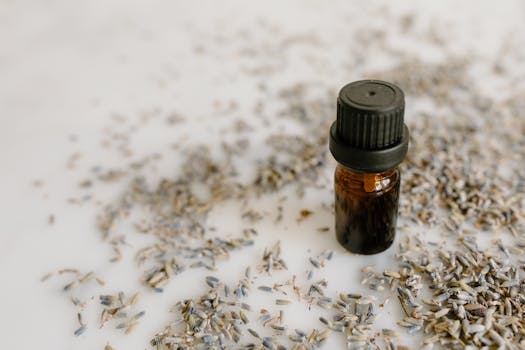
Bio-Oil is recognized for its multi-purpose skincare oil formulation that addresses a range of skin issues. Its concoction of vitamins A and E and botanical oils, including calendula and lavender, provide natural skin hydration. However, while it’s famed for its ability to fade scars and enrich skin with moisture, those with acne-prone skin care concerns should be cautious due to the risk of potential breakouts.
The product is often touted as non-comedogenic, which means it’s designed not to clog pores. Yet, everyone’s skin reacts differently, and what may work for one person could lead to adverse effects in another. Therefore, it’s recommended to perform a patch test before fully incorporating Bio-Oil into your skincare routine.
Ultimately, while Bio-Oil has its proponents, remember that empirical evidence regarding its effectiveness varies, and personal experience might be the best guide in determining its suitability for your facial skin.
How to use Bio-Oil for optimal results
To ensure you reap the maximum benefits of Bio-Oil, its application should be methodical. Start with a clean face, applying a small amount of the oil and gently massaging it in a circular motion. This process helps the product to penetrate deeply into the skin, promoting better absorption.
![[Skin concern] - is bio oil good to put on your face? I've ...](https://pamelasims.com/wp-content/uploads/2026/01/pexels-photo-6707554.jpeg)
For those looking to target scars or uneven skin tone, consistent use is key. Apply Bio-Oil twice daily, preferably once in the morning and once at night. Maintaining this routine could gradually improve the appearance of skin concerns over time.
However, it’s vital not to over-apply as too much oil can lead to greasiness or potentially exacerbate skin issues. A few drops are often sufficient, and remember to listen to your skin’s response and adjust accordingly.
What are the benefits of using Bio-Oil on your face?
The allure of Bio-Oil lies in its purported abilities to aid in skin rejuvenation. Its hydration properties are renowned, making it a potential ally for those with dry skin. Additionally, the oil’s composition of ingredients aims to improve the appearance of scars and hyperpigmentation, contributing to a more even skin tone.
Moreover, Bio-Oil contains antioxidants from vitamins A and E that could help protect the skin from environmental damage. The botanical oils within the product offer soothing effects and are thought to support the skin’s healing process.

Despite these appealing benefits, it’s essential to approach Bio-Oil with realistic expectations and understand that results can vary based on individual skin types and the nature of the skin concerns being treated.
Can you leave Bio-Oil on your face overnight?
Leaving Bio-Oil on your face overnight is generally considered safe for most individuals, as the extended contact time can potentially enhance its effectiveness, especially for those looking to minimize the appearance of scars and hyperpigmentation. However, if you have oily or acne-prone skin, it’s wise to be wary of leaving any oil on your skin for prolonged periods, as this could lead to breakouts.

For a more cautious approach, try using the oil as part of your evening routine for a shorter duration before gradually increasing the time it remains on your skin. Monitoring your skin’s reaction over time will provide the best guidance on whether overnight application is beneficial for you.
As always, if you have any doubts or if you experience any adverse reactions, it’s best to consult with a dermatologist who can offer personalized advice tailored to your skin’s needs.
How to incorporate Bio-Oil into your skincare routine
Integrating Bio-Oil into your skincare routine requires a thoughtful approach. Begin by determining the specific needs of your skin and the goals you wish to achieve. If hydration is your primary concern, Bio-Oil can be applied after a water-based moisturizer to seal in moisture. For scar treatment, direct application to the affected area may be preferred.
When incorporating Bio-Oil into a more extensive routine, remember the general rule of applying products from thinnest to thickest consistency. As a lightweight facial oil, Bio-Oil typically comes after water-based serums and before heavier creams.

Adjusting the frequency of use based on how your skin responds can help you find the right balance. Some might benefit from daily use, while others might find occasional application sufficient.

What are the side effects of using Bio-Oil on your face?
While many tout the benefits of Bio-Oil, it’s crucial to be aware of potential side effects. Some individuals may experience breakouts, particularly if they have oily or acne-prone skin. It’s important to recognize that while the product is designed to be non-comedogenic, individual reactions can vary.
Other potential side effects include allergic reactions, especially in those with sensitive skin or allergies to specific ingredients in the oil. Redness, itching, or a rash may indicate an adverse reaction, in which case discontinuing use and consulting a dermatologist is advisable.
Mindfulness about your skin’s response and proceeding with caution can help minimize the risk of side effects while exploring the benefits that Bio-Oil may offer.
When should you see a dermatologist regarding Bio-Oil?
If you’re uncertain about incorporating Bio-Oil into your skincare regimen or if you’ve experienced an adverse reaction, seeking a dermatologist’s advice is a prudent step. Specialists can provide guidance based on your skin type, condition, and history.

Additionally, if you observe no improvement or worsening of skin issues after consistent use of Bio-Oil, a dermatologist can assess the situation and recommend alternative treatments or approaches.
Remember, a professional’s insight is invaluable when navigating the vast world of skincare products, ensuring you make choices that contribute positively to your skin’s health.

Related questions about incorporating Bio-Oil in skincare routines
Is Bio-Oil recommended by dermatologists?
Some dermatologists may recommend Bio-Oil for its hydrating properties and potential to improve the appearance of scars. However, as with any skincare product, recommendations are often made on a case-by-case basis.
It’s essential to consider that while some professionals might endorse its use, others may advise caution for certain skin types. Therefore, consulting with your dermatologist to determine if Bio-Oil is suitable for you is always a good idea.

When should I use Bio-Oil in my skincare routine?
Bio-Oil is best applied after cleansing and toning but before heavier creams and sunscreens. Its lightweight nature makes it ideal for layering under other products without leaving a greasy residue.
Remember to give the oil ample time to absorb into your skin before proceeding with the next steps in your routine, ensuring each product can perform effectively.

What is the 4 2 4 rule in skincare?
The 4 2 4 rule is a method of cleansing that involves using oil for four minutes, a cleanser for two minutes, and rinsing with water for four minutes. This thorough routine is designed to ensure a deep cleanse and prepare the skin for subsequent products.
When incorporating Bio-Oil, you could apply this rule by using the oil as the first step in your cleansing regimen, allowing its emollient properties to assist in removing makeup and impurities before proceeding with a water-based cleanser.

How to layer Bio-Oil in skincare routine?
Layering Bio-Oil correctly involves applying it after water-based products and before any thicker creams or ointments. This sequence ensures each product is absorbed efficiently and works to its full potential.
For optimal results, allow each product to penetrate your skin for a few minutes before moving on to the next, creating a routine that maximizes the benefits of Bio-Oil and your other skincare favorites.