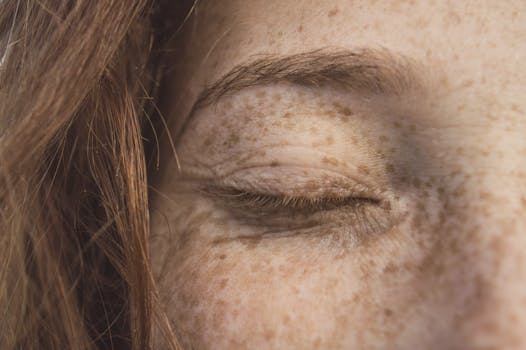
If you’re among the many individuals dealing with hooded eyelids, a common cosmetic concern, you likely know that they can create a tired appearance and may even interfere with vision. Fortunately, there are effective ways to address this issue, ranging from natural remedies to expert-recommended surgical procedures. In this article, we’ll uncover 11 ways to lift hooded eyelids, drawing from the wisdom of dermatologists to help you explore your options. Whether you’re interested in simple lifestyle changes or considering more advanced treatments, we’ve got you covered.
Hooded eyelids can stem from a variety of factors, including genetics and the natural aging process. As the skin loses elasticity and muscles weaken over time, eyelids may begin to droop, creating a hooded effect. But with the right approach, it’s possible to rejuvenate your look and potentially improve your eyesight. Let’s delve into the top strategies recommended by skincare experts.
Table of Contents
- Signs you may need droopy eyelid surgery
- What are the common causes of droopy or hooded eyelids?
- How can I improve the appearance of my hooded eyelids naturally?
- What are the benefits of eyelid surgery?
- What non-surgical options are available for droopy eyelids?
- How effective is Botox for treating hooded eyes?
- What eyelid firming creams do dermatologists recommend?
- How can lifestyle changes help with droopy eyelids?
- Related questions about hooded eyelid solutions
Signs you may need droopy eyelid surgery
Identifying the need for droopy eyelid surgery, or blepharoplasty, can be crucial for both aesthetics and functionality. When eyelid sagging impedes your field of vision or if you experience discomfort due to heavy eyelids, surgery might be the recommended course of action. It’s essential to consult with a healthcare professional for a proper diagnosis and to understand the potential benefits of this procedure.
Beyond visual hindrance, other signs that could suggest surgery include persistent irritation from excess folds of eyelid skin or if you find yourself constantly raising your brows to see better. Remember, while this surgery is commonly sought for its cosmetic advantages, it also offers functional improvements for those severely affected by hooded eyelids.

Of course, surgery is a significant decision, and one should weigh all options. Later in the article, we’ll explore non-surgical alternatives that might be suitable for less severe cases or for individuals not ready to commit to an operation.
What are the common causes of droopy or hooded eyelids?
Hooded eyelids, medically known as ptosis, may be caused by a variety of factors. Age-related changes are the most frequent culprits, as skin elasticity decreases and the muscles supporting the eyelids weaken. However, genetics can also play a role, with some people naturally having more skin above the eye.
In certain instances, hooded eyelids could be a result of underlying medical conditions or trauma. It’s important to rule out these potential causes through a thorough evaluation by a healthcare professional. Identifying the root cause is key to choosing the most effective treatment plan.

External factors such as prolonged sun exposure and smoking can exacerbate the condition by speeding up the aging process. A healthy lifestyle that includes sun protection and avoiding tobacco can contribute to reducing the likelihood or severity of hooded eyelids.
How can I improve the appearance of my hooded eyelids naturally?
Before turning to surgical or medical interventions, there are several natural strategies that might help improve the appearance of hooded eyelids. Simple home remedies, consistent skincare, and lifestyle adjustments can all make a difference.
- Stay hydrated and reduce salt intake to minimize puffiness.
- Use chilled cucumber slices or tea bags to soothe and tighten the eyelid area.
- Apply natural oils rich in antioxidants, like olive oil, to nourish the skin.
- Consider eye exercises that may strengthen the muscles around the eyes.
These methods can offer temporary relief and may have cumulative benefits over time. Incorporating them into your daily routine could lead to noticeable improvements and delay the need for more invasive treatments.
What are the benefits of eyelid surgery?
Eyelid surgery, or blepharoplasty, offers significant benefits for those with moderate to severe hooded eyelids. Primarily, it can restore a more youthful and alert appearance by removing excess skin and fat from around the eyes. Additionally, it may improve peripheral vision if sagging skin has been obstructing the line of sight.
Many patients report enhanced self-confidence following the procedure, as the results can be quite transformative. Recovery times vary, but most people can return to normal activities within a couple of weeks, with full results visible after a few months.

It’s important to have realistic expectations and discuss potential outcomes with your surgeon. The surgery’s effects are long-lasting, but they do not halt the aging process, and some individuals might require additional treatment in the future.
What non-surgical options are available for droopy eyelids?
Not everyone is ready or suitable for surgery, but several non-surgical options can help lift hooded eyelids. Botox injections are a popular choice, as they can temporarily relax the muscles that cause drooping, resulting in a lifted appearance. Other non-invasive treatments include fillers, laser therapy, and ultrasound-based procedures that tighten the skin and stimulate collagen production.

It’s essential to consult with a dermatologist to understand which option is best for your specific case. Factors like the degree of drooping, skin type, and overall health play a role in determining the most effective treatment.
How effective is Botox for treating hooded eyes?
Botox is a widely used treatment for hooded eyes that offers a non-surgical solution with minimal downtime. By targeting the muscles that pull the eyelid downward, Botox can create a subtle lift that refreshes the eye area.
The results of Botox injections typically last for several months, making it an appealing option for those seeking temporary improvement or those who wish to avoid surgery. It’s important to have these injections administered by a qualified professional to ensure safety and achieve the best possible outcome.

What eyelid firming creams do dermatologists recommend?
When it comes to non-invasive treatments, many dermatologists suggest using eyelid firming creams as part of your skincare routine. These creams often contain potent ingredients like retinol, peptides, and hyaluronic acid to improve texture, firmness, and hydration.
Top-rated products such as Peter Thomas Roth’s Instant FIRMx can offer immediate results, although they’re temporary. For a lasting impact, consistent use over time is recommended. Be sure to select a cream that addresses your specific concerns, whether it’s dark circles, dryness, or fine lines.

How can lifestyle changes help with droopy eyelids?
Lifestyle changes can play a significant role in managing droopy eyelids. Ensuring adequate sleep, reducing alcohol and caffeine intake, and maintaining a balanced diet rich in antioxidants all contribute to better skin health.
Protecting your eyes from sun damage with high-quality sunglasses and using SPF daily can prevent further sagging. Additionally, avoiding rubbing your eyes and removing makeup gently can help maintain eyelid skin integrity.
Related questions about hooded eyelid solutions
Can a dermatologist help with hooded eyelids?
A dermatologist is an excellent resource for addressing hooded eyelids. They can provide a thorough assessment, recommend appropriate treatments, and guide you through both surgical and non-surgical options.
Furthermore, dermatologists can suggest specific skincare products and lifestyle modifications tailored to your needs to improve the health and appearance of your eyelids.
Does Jennifer Aniston have hooded eyelids?
Celebrities like Jennifer Aniston often inspire beauty trends and discussions. While there’s speculation about whether Aniston has hooded eyelids, the focus should be on finding solutions that cater to your unique features and goals rather than comparing to others.
What is the best non-surgical eye lift for hooded eyes?
The best non-surgical eye lift for hooded eyes depends on individual factors such as the extent of drooping and skin type. Options like Botox, laser treatments, and specialized firming creams have shown promising results.
Discussing your goals with a dermatologist can help determine the most suitable approach for your situation.
What are the biggest mistakes with hooded eyes?
Common mistakes when dealing with hooded eyes include neglecting proper skincare, using unsuitable makeup techniques, and expecting immediate results from natural remedies. It’s crucial to approach treatment with patience and a realistic perspective.

Moreover, failing to consult with a professional for persistent issues can lead to suboptimal care. A specialist can provide personalized advice and ensure you’re taking the most effective steps.
Remember, addressing hooded eyelids requires a multi-faceted approach. Whether you choose home remedies, clinical treatments, or a combination of both, it’s about finding what works best for you and aligns with your lifestyle and preferences. With the guidance of dermatologists and a commitment to self-care, lifting those hooded eyelids and achieving the look you desire is within reach.